

How to Choose the Perfect Paint Colors for Your Coastal Florida Home
Living in Florida offers breathtaking coastal views, abundant natural light, and a relaxed, breezy lifestyle. It’s no wonder that homeowners in Port St. Lucie, Vero Beach, Jupiter, and beyond want to bring the beauty of the outdoors into their homes. How to choose paint colors for your coastal Florida home is essential to creating a space that reflects the area’s charm while complementing your personal style.
At KB Painting & Refinishing, we specialize in helping homeowners select the perfect colors for their interiors and exteriors. This guide will explore tips, trends, and ideas for choosing paint colors that enhance your coastal home’s beauty and functionality.
Why Paint Color Matters in Coastal Homes
1. Reflecting the Natural Environment
Coastal homes are often inspired by the surrounding landscape, which includes soft sandy hues, ocean blues, and lush greens. Incorporating these natural colors into your design helps create a seamless connection between your home and the outdoors.
2. Enhancing Natural Light
Florida homes are blessed with abundant sunlight, and the right paint colors can enhance it, making spaces feel brighter and more inviting.
3. Maintaining a Relaxed, Coastal Vibe
The best coastal homes feel serene, calming, and breezy. How to choose paint colors is key to achieving this atmosphere while adding personality and character.
Tips for Choosing Coastal Paint Colors
1. Start with a Neutral Base
Neutral colors provide a timeless foundation that pairs well with accent colors inspired by the coast. Consider shades like soft beige, warm white, or light gray as your base.
2. Add Pops of Coastal-Inspired Hues
Bring the beauty of the coast into your home with accent colors like:
- Ocean Blues: Soft aqua, turquoise, or deep navy.
- Sand Tones: Light tan or creamy beige.
- Seagrass Greens: Sage, mint, or olive.
3. Consider the Lighting
Natural light plays a significant role in how colors appear. Rooms with plenty of sunlight can handle darker or bolder hues, while dimly lit spaces benefit from lighter, reflective shades.
4. Create a Balanced Palette
For a cohesive look, choose a three-color palette: a neutral base, a dominant color, and an accent color. This ensures consistency throughout your home.
5. Use Low-VOC Paints
Low-VOC paints in humid climates like Florida help maintain air quality and prevent odors. These eco-friendly options are better for your family and the environment.
Trending Coastal Paint Colors for 2025
1. Soft Blues and Greens
Inspired by the ocean and coastal vegetation, soft blues and greens are timeless choices that bring a sense of calm and relaxation.
- Popular Colors:
- Sherwin-Williams “Rainwashed”
- Benjamin Moore “Seafoam Green”
- Behr “Oceanic Blue”
2. Sandy Neutrals
Neutral tones inspired by sandy beaches are ideal for creating a warm, inviting space. These shades work beautifully as a base or standalone color.
- Popular Colors:
- Sherwin-Williams “Natural Linen”
- Benjamin Moore “Edgecomb Gray”
- Behr “Sandstorm”
3. Crisp Whites
Crisp, clean whites reflect natural light, creating an airy, open feel. They’re a staple in coastal design.
- Popular Colors:
- Sherwin-Williams “Extra White”
- Benjamin Moore “Chantilly Lace”
- Behr “Ultra Pure White”
4. Bold Navy and Deep Teal
For homeowners looking to make a statement, bold navy or deep teal creates a sophisticated, dramatic effect while maintaining a coastal theme.
- Popular Colors:
- Sherwin-Williams “Naval”
- Benjamin Moore “Blue Note”
- Behr “Dark Navy”
5. Soft Coral and Blush
Soft coral or blush tones add a touch of warmth and playfulness. These colors work beautifully in bedrooms, bathrooms, or as accent walls.
- Popular Colors:
- Sherwin-Williams “Coral Reef”
- Benjamin Moore “Pink Beach”
- Behr “Peach Kiss”
Painting Different Areas of Your Coastal Home
1. Living Rooms
Use light, neutral tones as a base to create an open and inviting space. Add pops of color with blue or green accents, such as throw pillows, artwork, or painted furniture.
2. Bedrooms
Soft blues, greens, or blush tones create a calming retreat for relaxation. Consider painting the ceiling a lighter shade for added depth.
3. Kitchens
Neutral base colors like white or beige pair beautifully with bold cabinet finishes in navy or sage green. Add warmth with natural wood accents.
4. Bathrooms
Soft aqua or seafoam green brings a spa-like feel to bathrooms. Pair these colors with white trim and natural stone tiles for a fresh look.
5. Exteriors
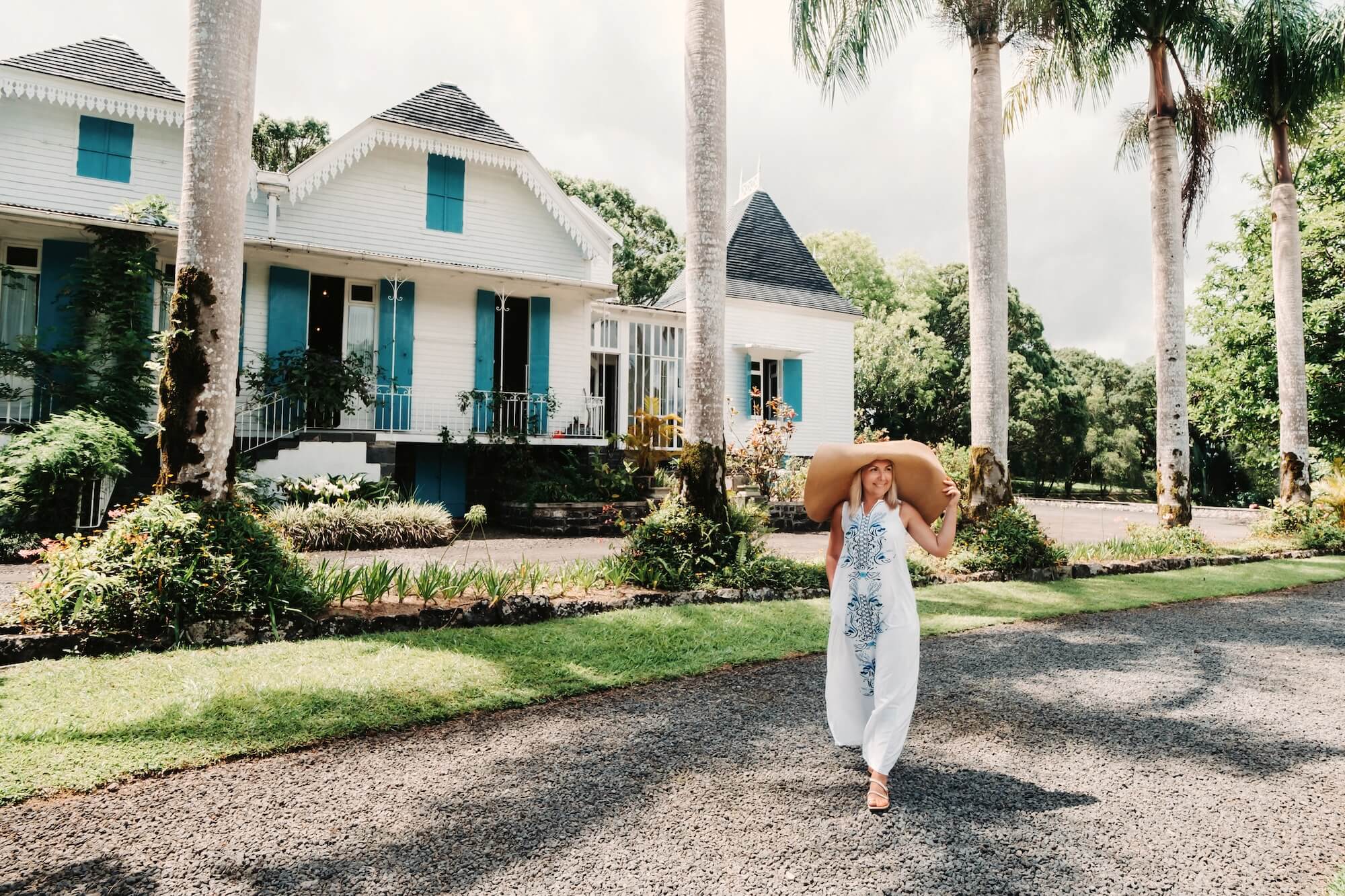
For exteriors, sandy neutrals or crisp whites are timeless choices—accent doors and shutters with bold navy or teal for a standout curb appeal.
Why Choose KB Painting & Refinishing for Your Coastal Home
Expertise in Coastal Design
As a locally owned business, KB Painting & Refinishing understands the unique needs of coastal Florida homes. We help homeowners select colors that not only look stunning but also withstand the elements.
Free Color Consultations
Choosing the perfect paint color can be overwhelming, but our free consultations make it easy. We work with you to create a palette that reflects your vision and enhances your space.
Premium Materials
We use high-quality, low-VOC paints to handle Florida’s heat, humidity, and sunlight. Our paints ensure long-lasting, durable results.
Attention to Detail
From preparation to the final coat, our team ensures every detail is handled carefully, delivering a flawless finish you’ll love.
Final Thoughts
How to choose paint colors for your coastal Florida home is an exciting opportunity to express your style while creating a welcoming and serene environment. Whether you’re drawn to soft, airy hues or bold, dramatic tones, KB Painting & Refinishing is here to help you bring your vision to life.
Ready to transform your space? Contact us today for a free consultation, and let’s create a coastal-inspired home you’ll love for years to come.
